When it comes to protecting your family, smoke detector installation isn’t something you can afford to put off or cut corners on. A properly installed, up-to-date smoke alarm is your home’s earliest warning system against one of the most dangerous threats any household faces. Whether you’re moving into a new place, refreshing aging detectors, or simply wondering if what you have is still working, this guide covers what every Chicago-area homeowner needs to know. Here, we cover the topic of smoke detector safety and why regular updates matter.
The Vital Role of Smoke Detectors
Smoke detectors have one job, but it’s arguably the most important one in your home: alerting you to a fire before it becomes unmanageable. According to the National Fire Protection Association (NFPA), working smoke alarms cut the risk of dying in a home fire in half. That single statistic says everything, yet, many homeowners underestimate how quickly detectors become ineffective. Sensors degrade, batteries fail, and older units stop meeting modern safety standards, often without any visible sign that something is wrong.
How Long Do Smoke Detectors Last?
Smoke detectors should be replaced every 10 years. The sensors inside gradually lose sensitivity, meaning an older unit may not detect smoke quickly enough to give your family adequate time to escape.
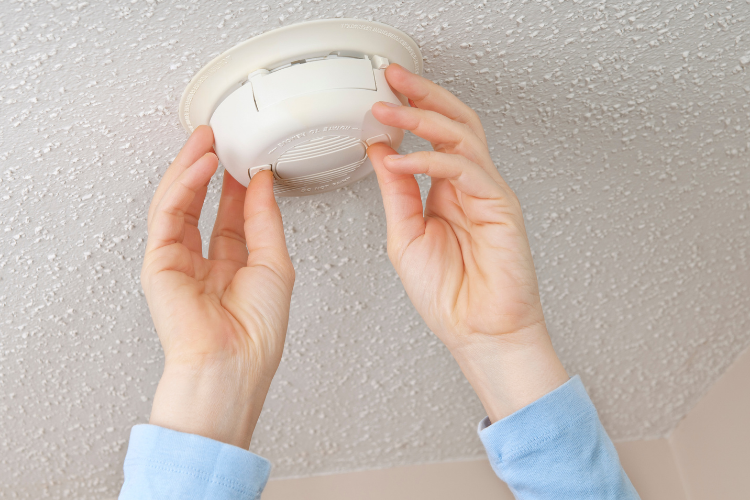
Beyond the 10-year mark, watch for these warning signs:
- The unit chirps even after a fresh battery is installed
- The test button produces a weak or delayed alarm
- The casing is visibly yellowed or cracked
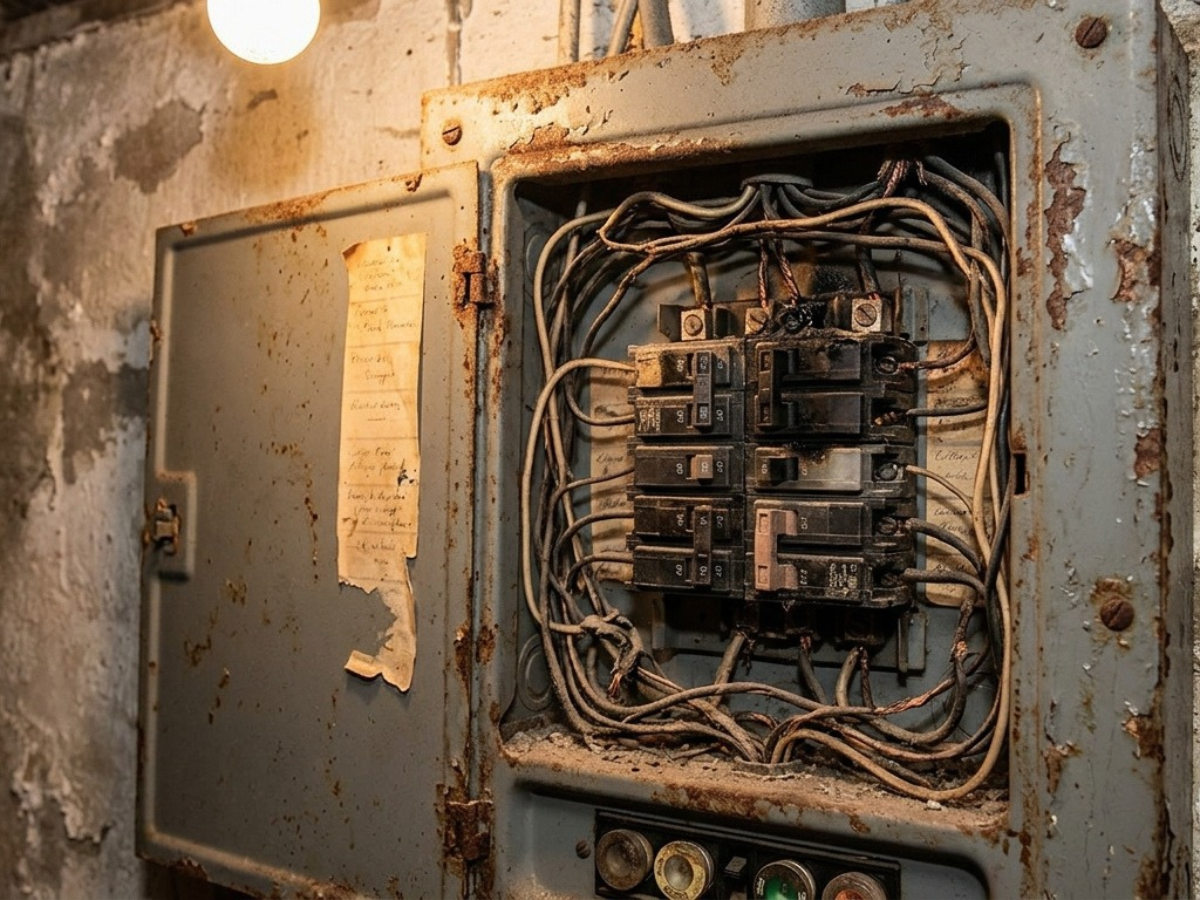
- You don’t know when it was installed, which is a common situation in older Chicago-area homes
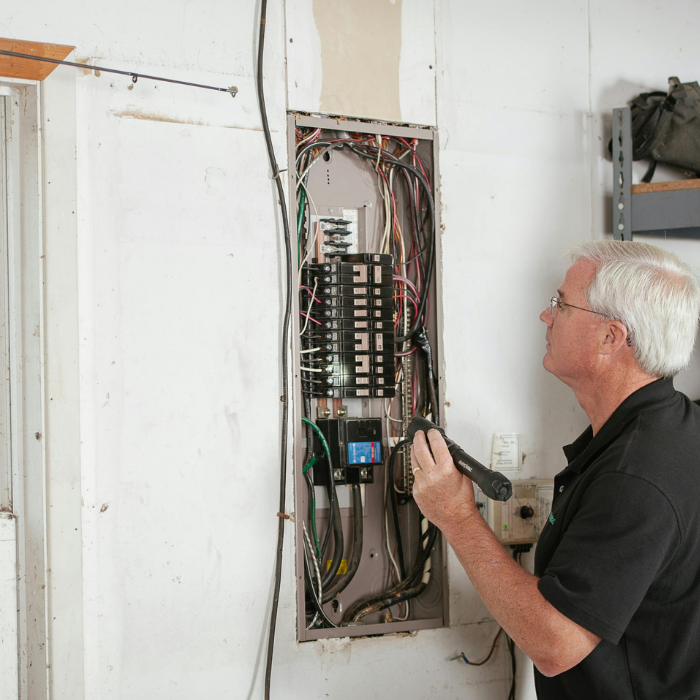
If you’re unsure how old your current detectors are, a licensed electrician can assess your setup during a routine electrical inspection or repair visit.
Why Regular Updates Are Essential
It’s tempting to assume that a smoke detector doing its job quietly is doing its job well. Unfortunately, that’s not always the case.
Technological advances: Detector technology has improved considerably. Modern dual-sensor units combining ionization and photoelectric detection respond more effectively to a wider range of fire types. Older ionization-only models are slower to detect slow-smoldering fires, which are among the most common in residential settings.
Sensor and battery degradation: Even with a fresh battery, aging sensors lose their sensitivity over time. This is precisely why the NFPA recommends full unit replacement every decade, not just battery swaps.
Code compliance: Many communities across the Chicago suburbs require specific detector placements and unit types. Keeping detectors updated helps ensure your home meets current residential fire safety code, which also matters when selling your home or filing an insurance claim.
Hardwired vs. Battery-Operated: Which Is Better?
Hardwired smoke detectors are generally the more reliable choice because they don’t depend solely on battery power. Connected directly to your home’s electrical system, they typically include a battery backup and are interconnected, meaning if one alarm triggers, every detector in the house sounds simultaneously.
| Hardwired | Battery-Operated | |
|---|---|---|
| Power source | Home wiring + battery backup | Battery only |
| Interconnected | Yes | Depends on model |
| Installation | Professional required | DIY-friendly |
| Best for | Permanent homes, renovations | Rentals, supplemental use |
For homeowners looking to upgrade, hardwired interconnected systems offer the strongest whole-home protection. If your home’s wiring isn’t set up for this, a panel and breaker service evaluation is a smart first step.
Should You Hire a Professional for Smoke Detector Installation?
Yes, especially for hardwired or interconnected systems. While swapping a battery-operated unit is simple enough, hardwired smoke detector installation involves working directly with your home’s electrical system, which carries real risks if done incorrectly.
A licensed electrician will:
- Place detectors according to local fire code requirements
- Wire interconnected units so they communicate correctly throughout the home
- Test every unit before leaving
- Identify any underlying electrical issues that could pose additional fire hazards
This is the kind of thorough, professional service Electric Work Force brings to every job.
Don’t Overlook Carbon Monoxide
Many modern detectors combine smoke detection with carbon monoxide (CO) monitoring in a single unit. Since CO is odorless and colorless, combination alarms offer protection against two invisible threats at once.
CO risks are particularly relevant in homes with:
- Gas furnaces, boilers, or water heaters
- Attached garages
- Fireplaces or wood-burning stoves
- Older or poorly maintained HVAC systems
If your home relies on gas appliances, combination smoke/CO detectors are strongly recommended throughout. This is also worth discussing as part of a broader home electrical upgrade if you’re planning improvements this year.
How to Keep Your Detectors Working Between Replacements
Even new detectors require routine attention to remain effective:
- Monthly: Press and hold the test button until the alarm sounds
- Every 6 months: Replace batteries, or immediately when the low-battery chirp begins
- Annually: Gently vacuum dust from the sensor vents using a soft brush attachment
- Every 10 years: Replace the entire unit, no exceptions
One thing to avoid: never paint over detectors or cover them with decorations. Blocking the sensor openings prevents the unit from functioning properly, even if the alarm still tests fine.
A Note for Owners of Older Chicago-Area Homes
Homes built before the 1990s may not have detectors in every required location, or they may still rely on outdated ionization-only technology. If your home hasn’t had a professional safety or electrical review in recent years, our electrical troubleshooting service is a great place to start getting a full picture of where things stand.
Key Takeaways
- Smoke detector safety starts with making sure every detector in your home is correctly installed and up to date
- Replace all detectors every 10 years, even if they appear to be working
- Install on every level, inside every bedroom, and outside every sleeping area
- Hardwired, interconnected systems offer the strongest protection for permanent homes
- Combination smoke/CO detectors are highly recommended for homes with gas appliances
- Professional installation ensures proper placement, correct wiring, and full code compliance
- Monthly testing and regular battery replacement are essential maintenance habits
Ready to Update Your Smoke Detectors?
If your current detectors are overdue for replacement, or you’ve moved into a home and aren’t certain what’s already in place, now is the time to act. At Electric Work Force Inc, our licensed and insured electricians serve homeowners across the Chicago area with fast, professional service and upfront, transparent pricing.
Whether you need a single unit replaced or a full home upgrade to interconnected hardwired detectors, we’re here to help. Call us at (708) 968-1904 or contact us online to schedule your smoke detector installation today. And don’t forget to check our coupons page — you may qualify for $100 off a qualifying project.
Subscribe to our YouTube channel!