If your electrical outlet stopped working or started sparking, you need answers fast. Whether it is a dead receptacle slowing down your home office or an outdoor outlet that will not hold power through a Chicago winter, effective electrical troubleshooting and repair starts with knowing exactly where to look. As licensed Chicago electricians, we diagnose the root cause on the first visit, not just the symptom. This guide covers every likely cause, what you can safely check yourself, and when to call a pro.
1. A Tripped GFCI Outlet Upstream Killed the Circuit
Ground Fault Circuit Interrupter (GFCI) outlets monitor current for dangerous imbalances. When they trip, every receptacle wired downstream loses power, even outlets in a completely different room. Bathrooms, kitchens, garages, and outdoor areas frequently share a single GFCI device, so one trip can make several outlets go dark at once.
What to do: Check for GFCI outlets in adjacent spaces like the garage, patio, or opposite side of a kitchen wall. Press Reset firmly. If it trips immediately with nothing plugged in, stop and call a licensed electrician. A persistent trip points to a ground fault in the wiring, not just the device.
2. A Tripped Circuit Breaker or Overloaded Branch Circuit
Space heaters, hair dryers, and countertop appliances draw significant amperage. When two or more run simultaneously on the same branch circuit, the breaker trips to protect the wiring from overheating.
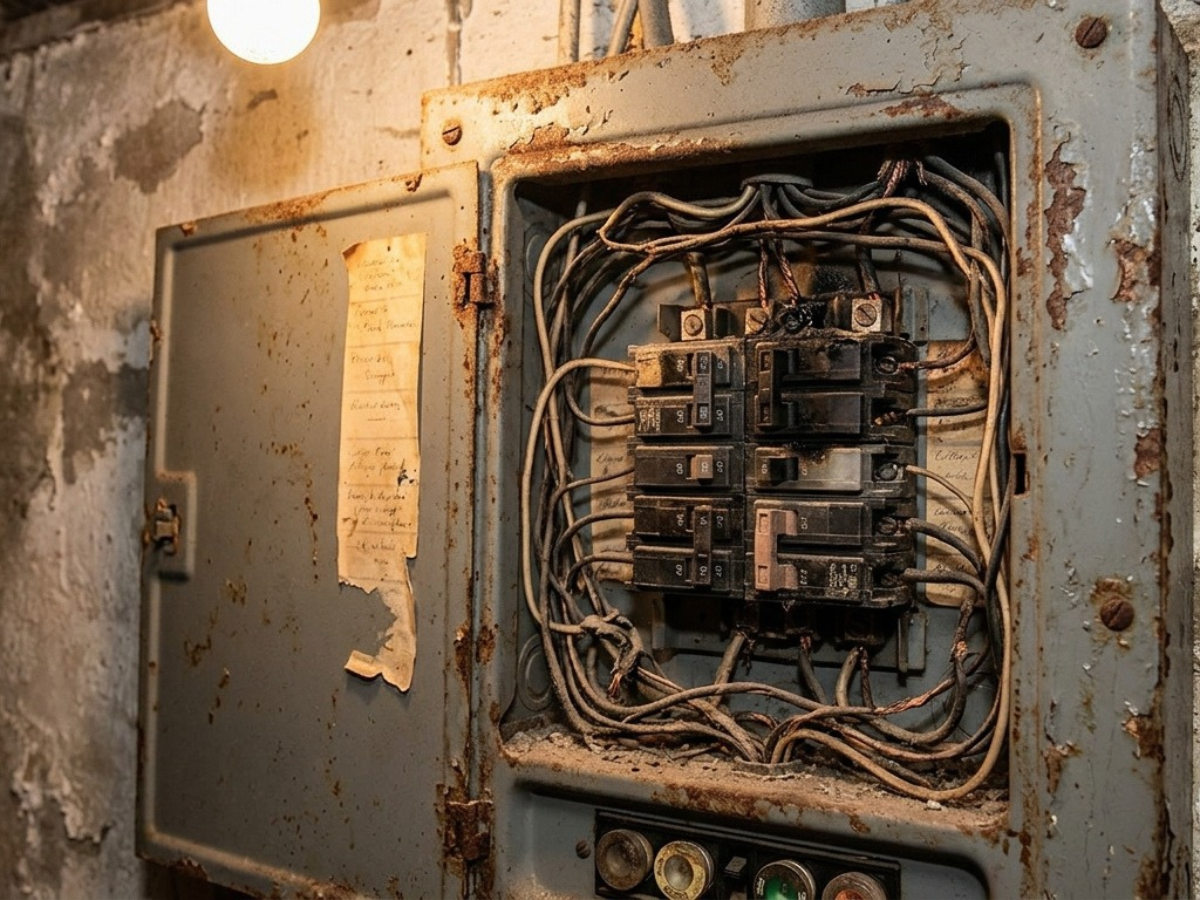
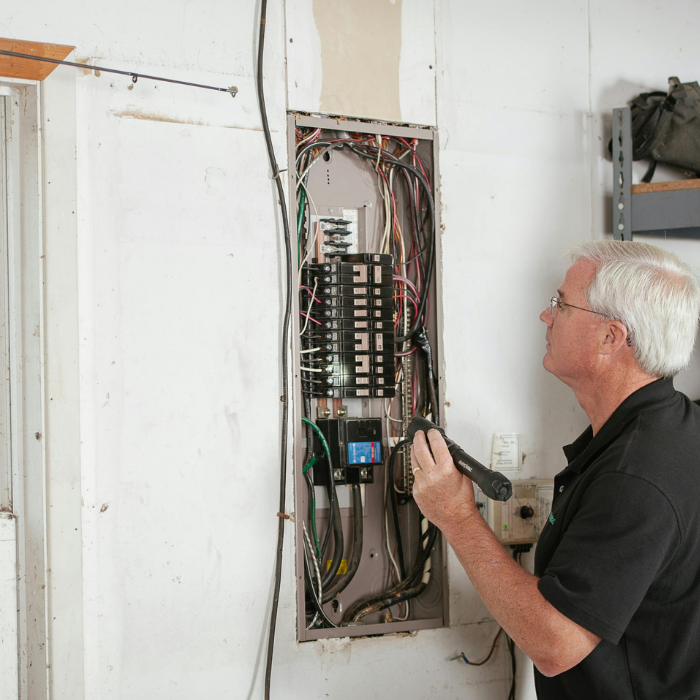
What to do: Open your electrical panel and look for a breaker in the middle or off position. Flip it fully OFF, then back ON. Reduce the load on that circuit before plugging appliances back in. If the same breaker trips again without an obvious overload, the circuit may have a short or a failing breaker. Both require professional diagnosis.
3. Loose or Damaged Wiring Inside the Outlet Box
Back-stabbed connections, where conductors are pushed into a spring-loaded slot rather than terminated under a screw, are one of the most common hidden failure points in older Chicago homes. A loose neutral wire can cause flickering lights, voltage surges, and complete power loss at the outlet.
Warning signs: The outlet cover feels warm, there is a faint burning smell, power cuts out when you wiggle a plug, or the faceplate is discolored.
What to do: Turn off the breaker for that outlet and call a licensed electrician. In Chicago, most residential wiring runs through metal conduit rather than NM cable, which changes how devices bond to the box and ground. This is not a DIY repair.
4. A Failed Receptacle or Worn Internal Contacts
Outlets wear out. Repeated plugging and unplugging weakens the internal spring contacts. The outlet may still grip a plug but fail to transfer power under load, which is easy to miss without proper test equipment.
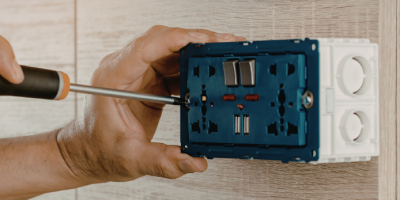
What to do: Plug a lamp into the suspect outlet, then into a known-good outlet to compare. If the outlet is confirmed dead and no upstream GFCI or breaker is the cause, the receptacle needs replacement. Use a tamper-resistant (TR), UL-listed device rated for the circuit amperage. For high-use areas like kitchens and garages, a commercial-grade receptacle will last significantly longer.
5. An AFCI Breaker Trip Caused by Arcing
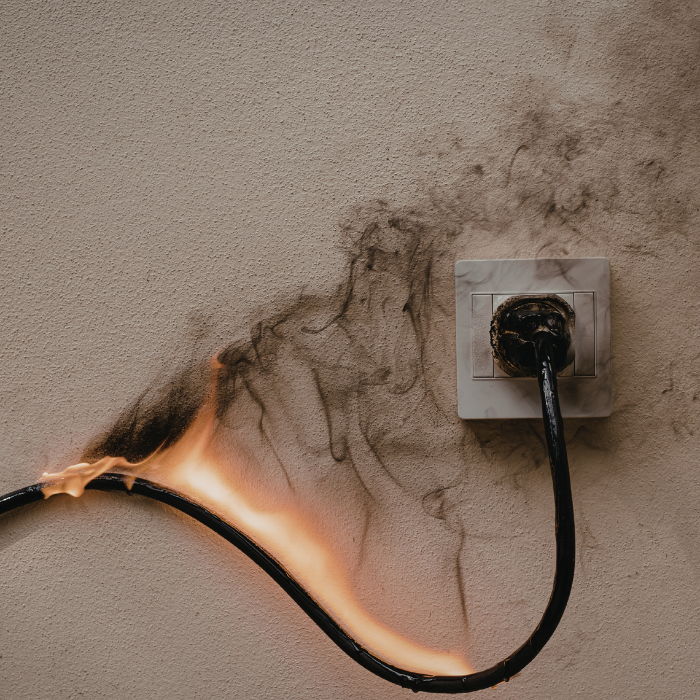
Arc Fault Circuit Interrupter (AFCI) breakers detect the signature of dangerous arcing inside walls before any visible damage appears. They are required in bedrooms, living rooms, and most habitable spaces in newer construction. An AFCI can trip when cord insulation is damaged, plugs are loose, or a staple pinches a conductor.
What to do: Inspect all cords and power strips for damage. Unplug everything, reset the AFCI breaker, then plug devices back in one at a time to isolate the source. Repeated trips after a thorough inspection mean it is time for professional diagnostics, not more resets.
6. A Bad Connection Hidden in the Daisy-Chain
Most outlets are wired in series: one feeds the next. A single failed splice or a back-stabbed connection gone loose can cut power to every outlet downstream. This is especially common after kitchen or bathroom renovations that disturbed existing wiring.
What to do: Map which outlets are dead and find the first non-working device closest to the panel. That is usually nearest the fault. Call a licensed electrician with a cable tracer, tone generator, and thermal camera to locate the fault without unnecessary demolition.
7. Moisture, Rodent Damage, or Physical Impact
Outdoor outlets and garage receptacles face freeze-thaw stress, moisture infiltration, and physical impact. Corroded terminals, water-logged devices, or rodent-chewed conductors can render a receptacle completely unsafe.
What to do: Inspect outdoor outlets for cracked covers or loose conduit fittings. Replace damaged devices with weather-resistant (WR), tamper-resistant (TR) receptacles in an approved in-use cover. Seal all conduit penetrations to prevent future water intrusion.
Safe Checks Before You Call
- Plug a lamp into the dead outlet, then test it in a known-good outlet to confirm the device works.
- Look for a nearby wall switch. Some outlets are split-controlled, with the top half switched.
- Reset any tripped GFCI outlets or breakers once. Repeated resets without finding the cause can be dangerous.
- Unplug surge protectors or smart plugs. These have internal protection that can trip independently.
- If the outlet is warm, smells like burning, or sparks on contact, stop using it and call us immediately.
Why Professional Electrical Troubleshooting and Repair Is Worth It
DIY diagnostics can miss the root cause, which means the problem returns, often worse. Professional troubleshooting pinpoints faults quickly, prevents repeat failures, and keeps your home code-compliant.
Our licensed electricians arrive with a full safety assessment, advanced diagnostic tools including infrared thermal imaging, upfront pricing before any work begins, and code-compliant repairs backed by warranty. For older homes where outlet failures keep recurring across multiple rooms, the issue may run deeper than a single receptacle. Our whole-home rewiring services address aging or deteriorated wiring that causes chronic problems throughout the house.
When to Call for Emergency Electrical Service
Do not wait if you notice any of the following: a burning smell or scorch marks at an outlet, repeated GFCI or AFCI trips with nothing plugged in, an outlet that feels warm or buzzes, lights that dim when a small device is plugged in nearby, or visible sparks when inserting a plug.
We provide 24/7 emergency electrical service throughout the Chicago area. Our trucks are stocked for same-day outlet repairs, and we prioritize any call involving shock risk or signs of fire.
Book online at electricworkforceil.com or call (708) 968-1904).
Frequently Asked Questions
Why did my GFCI outlet trip and will not reset? A ground fault is likely present in the wiring, or the device itself has failed. Unplug all loads and try again. If it still will not reset, call an electrician to locate and correct the fault.
Can a bad outlet cause my circuit breaker to trip? Yes. Damaged contacts, loose wiring, or a shorted receptacle can all trigger breaker or AFCI trips. Repeated trips signal an active fault that needs professional diagnostics.
Is it safe to use an outlet that feels warm? No. Heat at a receptacle means a loose connection, overload, or internal failure. Turn off the breaker and stop using the outlet until a licensed electrician inspects it.
Do I need a permit to replace outlets in Chicago? Simple like-for-like swaps typically do not require a permit. Circuit changes, GFCI or AFCI upgrades, relocating outlets, or panel work does. We handle all permitting and inspections when applicable.
In Summary
A dead or sparking outlet is rarely just an inconvenience. It is often the visible sign of a wiring problem that needs proper electrical troubleshooting and repair before it becomes a safety hazard. Start with the simple checks: test upstream GFCIs, reset the breaker once, inspect cords. If the outlet is warm, sparks on contact, or keeps losing power, call a licensed electrician right away. Our Chicago team diagnoses fast, repairs to code, and backs every job with a warranty.
Subscribe to our YouTube channel!