It’s 2 a.m. A line of thunderstorms rolls across Cook County, the lights flicker, and your sump pump goes silent just as the rain gets heavier. Moments like this are why so many families start researching home generator installation in Chicago. Here’s the short answer: a portable generator is an affordable stopgap for brief outages, while a standby generator delivers automatic, whole home protection that’s hard to match when storms, ice, or heat waves take down the grid.
Below, we’ll compare how each type works, what they really cost to own, the safety risks most people overlook, and how to decide which option fits your home.
What Is the Difference Between a Portable and a Standby Generator?
A portable generator is a movable, gasoline powered unit you set up and start by hand during an outage. A standby generator is permanently installed outside your home, runs on natural gas or propane, and turns on automatically within seconds of losing utility power.
How a Portable Generator Works
Portable generators sit in a garage or shed until you need them. When the power goes out, you roll the unit outside, fill it with gas, start it, and connect your appliances. That connection happens through heavy extension cords or through a manual transfer switch or interlock kit installed at your electrical panel.
Most portable models can handle a few essentials, like a refrigerator, some lights, and phone chargers. Central air, an electric range, or a full basement of equipment is usually beyond their reach.
How a Home Standby Generator Works
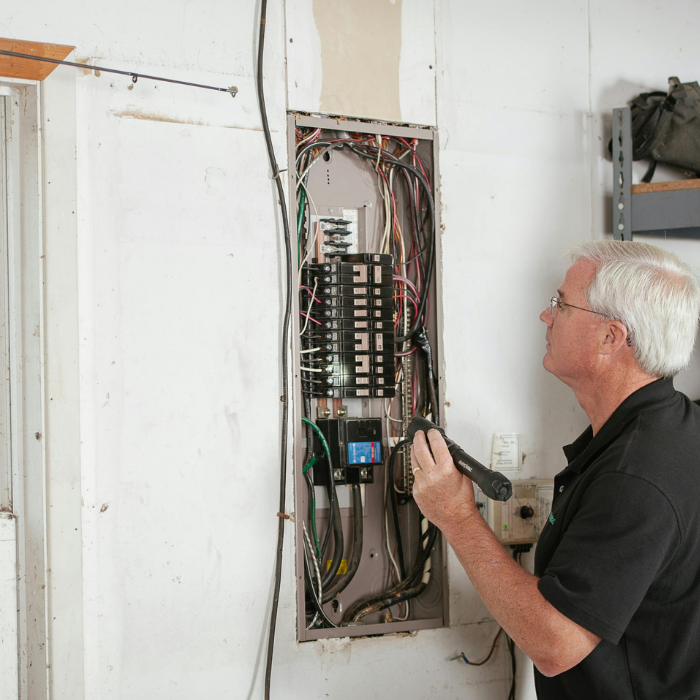
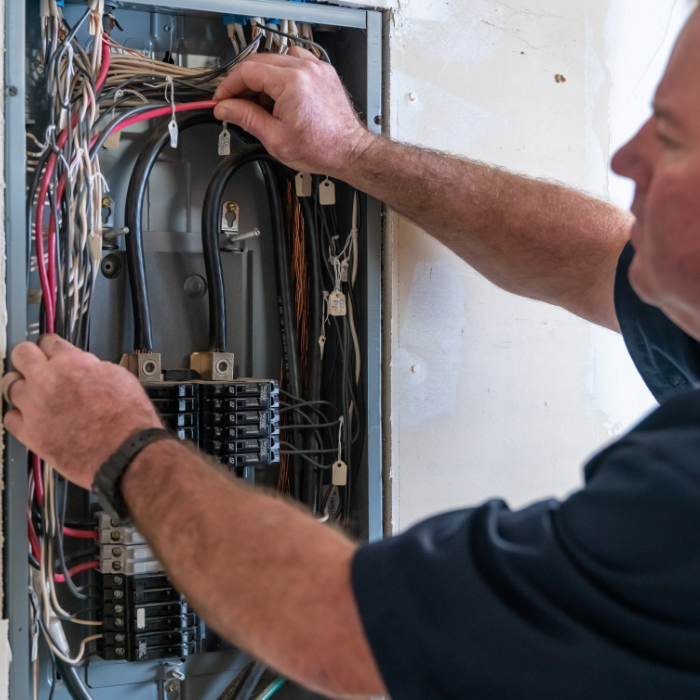
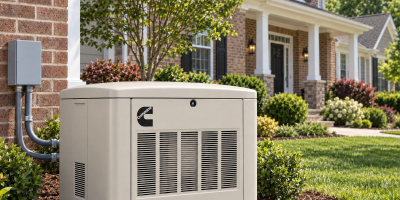
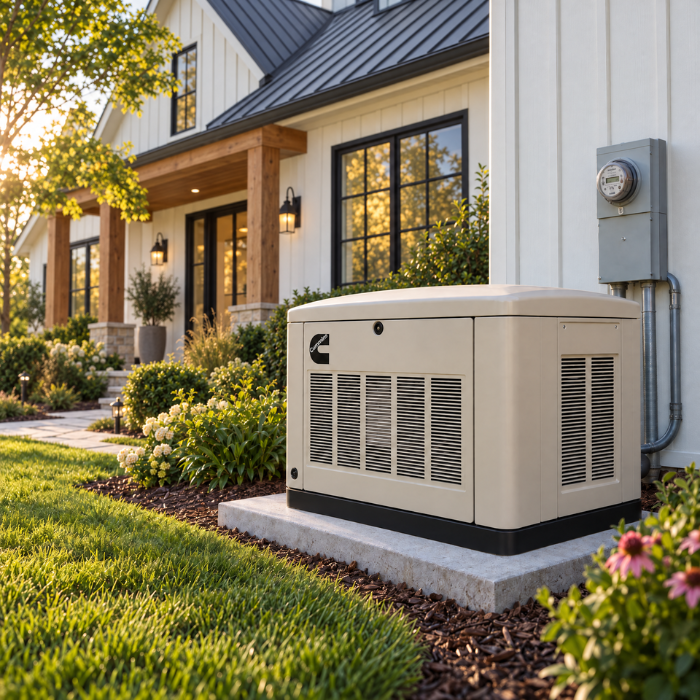
A standby generator sits on a pad beside your house, much like an AC condenser. It connects directly to your gas line and to your electrical panel through an automatic transfer switch (ATS).
When the ATS senses the grid has failed, it starts the generator and safely shifts your home’s electrical load to generator power. When utility power returns, it switches back and shuts the generator off. You don’t need to be home, awake, or standing outside in a storm for any of it to happen.
Pros and Cons of a Portable Generator for Your Home
Portable generators are inexpensive and flexible, but they require manual effort, frequent refueling, and careful handling to stay safe. They work best as short term backup for a few critical items.
Pros: lower upfront cost, can be used for camping or job sites, no permanent installation required.
Cons: you have to be home to run it, gasoline must be stored and rotated, limited power output, and noise that neighbors will notice.
When a Portable Generator Makes Sense
A portable unit is a reasonable choice if you rent your home, rarely lose power for more than a few hours, or only need to keep a refrigerator and a few lights running. It can also serve as a starter solution while you plan for something more permanent.
Portable Generator Carbon Monoxide Risks
The biggest drawback of a portable generator isn’t convenience. It’s safety.
By the numbers: An average of nearly 100 people die in the U.S. each year from CO poisoning caused by portable generators, according to CPSC’s latest report. cpsc
Carbon monoxide is colorless and odorless, and exposed persons may become unconscious before recognizing the symptoms of nausea, dizziness or weakness. The CPSC advises operating portable generators outside only, at least 20 feet away from the house, and never on a porch or in a carport. In a Chicago January or during a sideways summer downpour, that’s easier said than done, which is why many people end up placing units too close to the house.
Always pair any fuel burning equipment with working CO detectors on every level of your home.
Pros and Cons of a Whole House Standby Generator
A standby generator costs more upfront, but it provides hands free, long running power that protects your home whether you’re there or not. For households that depend on steady electricity, it’s the more reliable choice.
Pros: automatic startup, runs on your existing gas supply, powers much larger loads, quieter operation, remote monitoring on many models, and added appeal for future buyers.
Cons: higher initial investment, requires permits and professional installation, and needs routine annual maintenance.
Automatic Backup Power During Chicago Storms and Winter Outages
Chicago weather keeps homeowners guessing. Summer brings severe thunderstorms and derechos, while winter delivers ice storms and bitter cold that stress the grid. A standby generator responds the same way every time: power drops, the generator starts, and your home keeps running.
“The best generator is the one that starts when you’re not home.”
That matters most when you’re at work, traveling, or asleep, which is exactly when many outages happen.
Protecting Your Sump Pump, Furnace, and Medical Equipment
For many Chicagoland homes, the sump pump is the single most important reason to invest in backup power. Heavy rain and outages often arrive together, and a basement can flood in hours without a working pump.
Standby generators also keep gas furnaces running (they need electricity for the blower and controls), protect pipes from freezing, and support home medical devices like oxygen concentrators and CPAP machines. For families with these needs, automatic operation isn’t a luxury. It’s peace of mind.
How Much Does a Standby Generator Cost Compared to a Portable Generator?
A portable generator costs much less upfront, while a standby generator is a larger investment that includes the unit, a transfer switch, and professional installation. The right comparison, though, is total value, not just the price tag.
Several factors shape the cost of a standby system:
- Generator size based on how much of your home you want powered
- Fuel connection and the distance to your gas meter or propane tank
- Transfer switch type and installation
- Electrical panel capacity and whether an upgrade is needed
- Site preparation, including the mounting pad and placement
- Local permits and inspections
It also helps to weigh what an outage can cost you: a flooded basement, spoiled food, frozen pipes, or lost workdays. For many homeowners, avoiding just one of those events offsets a meaningful share of the investment.
Which Generator Is Right for Your Chicago Home?
Choose a portable generator if your outages are short and your needs are small. Choose a standby generator if you want automatic protection for your whole home or critical systems.
Choose a Portable Generator If…
- You rent or plan to move soon
- Outages in your area are rare and brief
- You only need to power a fridge, a few lights, and chargers
- You’re comfortable storing fuel and running the unit safely outdoors
Choose a Standby Generator If…
- You rely on a sump pump or have a finished basement
- Someone in your home uses medical equipment
- You work from home and need reliable internet and power
- You travel often or want protection when no one is home
- You want to keep heating or cooling running during extended outages
Why Chicago Homeowners Choose Cummins Standby Generators
Cummins home standby generators are built for quiet, automatic, and dependable whole house backup power, which is why Electric Work Force chose to sell and install them.
Every Cummins home generator offers:
- Quiet, neighbor friendly operation thanks to patented sound attenuation technology, a real advantage on tight Chicago lots and suburban streets
- Automatic startup through ATS technology, so power returns within seconds without anyone lifting a finger
- Remote monitoring that lets you check and control your generator from your phone, even while traveling
- Extended warranty options up to 10 years for long term peace of mind
- Natural gas or propane compatibility to match the fuel available at your home
One Team From Selection to Startup
Electric Work Force handles the entire process: helping you choose the right size generator, selling you the Cummins unit directly, completing the electrical installation, and testing the full system before you rely on it. You won’t juggle a dealer, an installer, and an electrician. As a family owned company of licensed, insured electricians with hundreds of five star Google reviews, the team has built its reputation on clear communication and quality workmanship across Chicago and the western suburbs.
Why Does Generator Installation Require a Licensed Electrician?
Standby generators connect directly to your home’s electrical system and gas supply, so they must be installed to code by qualified professionals. Improper connections can damage equipment, void warranties, and create serious safety hazards.
One of the biggest risks is backfeed, which happens when generator power flows back into utility lines. It can endanger line workers and neighbors. A properly installed transfer switch prevents this completely.
A professional installer will also evaluate your panel capacity, size the generator correctly, handle permits, and test the full system before handing it over. Working with experienced, licensed electricians in Chicago means one accountable team manages the job from start to finish. Electric Work Force, for example, both sells and installs Cummins home standby generators, which feature automatic ATS startup, quiet sound attenuated operation, remote monitoring from your phone, and extended warranty options up to 10 years.
Key Takeaways
- Portable generators are affordable and flexible but require manual setup, refueling, and careful outdoor placement.
- Standby generators start automatically within seconds and run on natural gas or propane.
- CPSC data links portable generators to nearly 100 carbon monoxide deaths each year in the U.S.
- Chicago homes with sump pumps, finished basements, or medical equipment benefit most from standby power.
- Standby cost depends on generator size, fuel connection, transfer switch, panel capacity, and permits.
- Professional installation prevents dangerous backfeed and protects your warranty.
Frequently Asked Questions
Can a portable generator power a whole house?
Usually not. Most portable generators can run only a few essential appliances at once, while whole house coverage typically requires a properly sized standby generator.
How far should a portable generator be from the house?
At least 20 feet, with the exhaust pointed away from doors, windows, and vents. Never run one inside a garage, basement, or enclosed space.
Does a standby generator need to be refueled?
Not if it’s connected to natural gas. It draws fuel directly from your gas line, so it can keep running through extended outages. Propane models run as long as the tank has fuel.
Will a standby generator turn on if I’m not home?
Yes. The automatic transfer switch detects the outage and starts the generator on its own, then shuts it off when utility power returns.
The Bottom Line
Portable generators have their place, but for most homeowners who want dependable, hands free protection, a standby system is the stronger long term choice. It keeps your sump pump, furnace, and essential systems running without extension cords, gas cans, or carbon monoxide worries. If you’re ready to explore home generator installation in Chicago or the surrounding suburbs, our team can help you choose the right size Cummins generator and install it safely. Get a generator installation quote today, or call (708) 968-1904 to talk with a specialist.
Subscribe to our YouTube channel!