Scheduling an annual electrical inspection Chicago homeowners can count on is one of the simplest ways to protect your home, since it catches small problems, like a worn outlet or a corroded panel connection, before they turn into a fire risk or an unexpected outage. The ten checks below are homeowner friendly and take an afternoon to work through. When something looks off, it is worth having a licensed Chicago electrician take a closer look rather than guessing.
Why Does an Annual Electrical Inspection Matter?
An annual electrical inspection catches wear and hidden hazards, like loose connections or failing breakers, before they cause a shock, fire, or outage. Most serious electrical problems develop slowly, which makes early detection the difference between a quick fix and a costly emergency.
Chicago homes add their own wrinkle here. Pre-war bungalows and two-flats often carry a mix of wiring generations, shallow metal boxes, and kitchens that were never built for modern appliance loads. Add ComEd service coordination and municipal inspections into the mix, and a yearly check becomes even more valuable for catching issues specific to older housing stock.
1. Test Every GFCI Outlet
Ground Fault Circuit Interrupter outlets are designed to cut power within milliseconds if they sense a shock risk, and testing them takes seconds. Press TEST, confirm the outlet loses power, then press RESET to restore it. Replace any outlet that does not trip and reset cleanly.
The National Electrical Code requires GFCI protection in kitchens, bathrooms, garages, basements, and outdoor circuits, since these areas combine electricity with moisture. Watch for a TEST button that does nothing, a warm outlet face, or an appliance that trips the same outlet repeatedly. Scorch marks, buzzing, or old two-prong receptacles near water are reasons to call a professional rather than keep testing.
2. Check AFCI Protection in Bedrooms and Living Areas
Arc Fault Circuit Interrupters are built to catch the kind of arcing that starts fires, usually from a damaged cord or a loose connection behind a wall. Press TEST on each AFCI breaker once a year, then RESET. A breaker that won’t reset or trips repeatedly during normal use needs attention.
Frequent trips with lamps or vacuums, crackling when you plug something in, or furniture pressed tight against a cord are all signs worth flagging. Per NEC 210.12, AFCI protection is required in most living spaces in newer construction, so an older Chicago home still running legacy breakers may be due for an upgrade.
3. Inspect the Main Panel for Heat, Corrosion, and Labeling
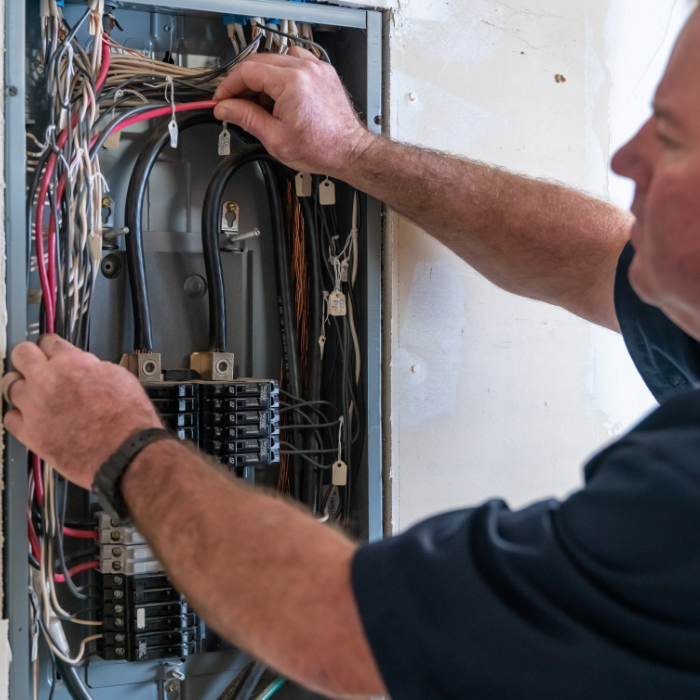
Turn off sensitive electronics first, then open the panel cover, but do not remove the dead front. Look for rust, white or green corrosion, a burnt smell, or warm spots on the panel door. Confirm breakers sit firmly in place and that labeling is legible; vague labels waste precious time during an actual emergency.
Corrosion often points to moisture intrusion. Warm surfaces can mean an overloaded circuit or a loose lug. A breaker that won’t reset may simply be failing. Older panel brands with known reliability issues are candidates for replacement, and flickering that spans several rooms is usually a sign the whole panel deserves a closer look.

4. Test Smoke and Carbon Monoxide Alarms
Press the test button on every alarm in the house and replace batteries if it has been a year since the last swap. Check the manufacture date, since most smoke alarms need replacing around the 10-year mark and carbon monoxide alarms closer to 7 years. Illinois law requires carbon monoxide detectors in dwelling units, so confirm every floor near sleeping areas has coverage.
Interconnected alarms that all sound together offer better protection than standalone units. Sealed 10-year battery models work well where wiring is not already in place. If any alarm chirps or fails its test, replace it immediately rather than waiting.
5. Look for Outlet Wear and Discoloration
Walk through each room and gently tug on outlets to check whether they move loosely in the box. A loose outlet puts ongoing stress on the wiring behind it. Replace cracked plates and any outlet that won’t hold a plug snugly.
Brown or black marks, melted plastic, or a warm outlet face are signs that should not wait. In rooms where kids play, tamper-resistant receptacles are worth adding if they are not already installed. Aluminum branch wiring or old two-wire cable without a ground are both worth a professional evaluation.
6. Test Exterior Outlets, Lighting, and Weather Covers
Chicago weather is hard on outdoor electrical systems. Test every exterior GFCI outlet and confirm the in-use bubble covers are still intact. Check landscape and garage lighting for cracked lenses or exposed wiring, and make sure cords for lawn equipment or holiday lights are outdoor-rated and plugged into GFCI-protected outlets.
Watch for loose conduit near the service mast or meter, rust on outdoor boxes, or tripping when running trimmers, pressure washers, or a sump pump. Pools and hot tubs need their own confirmed GFCI protection as well.
7. Evaluate Lighting Performance and Heat at Fixtures
Flickering lights are often more than an annoyance. Persistent flicker across multiple rooms can point to a loose neutral connection or a broader service issue. Confirm bulb wattage matches the fixture, since overlamping overheats sockets and can become a fire hazard. Recessed cans that shut themselves off are usually protecting against excess heat, which often means insulation contact or a bulb mismatch.
Check LED compatibility with existing dimmers, look for brittle lamp holders in older fixtures, and note any attic or recessed lighting showing heat signs. Lights that dim when a large appliance kicks on are worth a professional load check.
8. Inspect Cords, Surge Protection, and Power Strips
Replace any frayed or pinched cord, and avoid running cords under rugs or through doorways where they take repeated damage. Group sensitive electronics on surge-protected strips, since many strips wear out after absorbing a single strong surge. High-draw devices like space heaters belong on a dedicated outlet, never on a power strip.
Label what each strip protects, unplug unused wall-wart chargers that generate unnecessary heat, and move aquariums or dehumidifiers to GFCI-protected outlets if they are not already there.
9. Check Visible Grounding and Bonding Points
Grounding gives fault current a safe path away from your home’s occupants. Check that the ground clamp at your water service pipe is tight and free of corrosion, and look for a bonding jumper between hot and cold water pipes near the water heater. Improper or missing bonds are common in older homes.
Never loosen a main grounding conductor yourself. Correct grounding lowers shock risk and helps breakers trip the way they are designed to, and proper bonding reduces arcing between metal piping and appliances.
10. Exercise Breakers and Review Your Emergency Plan
Once a year, switch standard breakers off and back on to exercise the mechanism, ideally during daylight when people are home and sensitive electronics are shut down. Replace any breaker that feels gritty, won’t reset, or hums under normal load. Update the panel directory with plain-language labels for each room and critical device, including the fridge, sump pump, or any medical equipment.
Make sure everyone in the household knows where the main shutoff is, keep a flashlight near the panel, and post your electrician’s contact info on the panel door for quick access during a real emergency.
When Should I Call a Professional Instead of Just Inspecting?
Call a professional immediately for burning smells, hot panels, buzzing breakers, frequent trips, or lights dimming across multiple rooms. These signs point to an active hazard rather than routine wear that can wait for the next scheduled check.
A licensed electrician brings load calculations, breaker and panel evaluation, circuit and protection device testing, and documented recommendations to the table, plus permit coordination where required. That combination is difficult to replicate with a DIY walkthrough alone. For anything urgent, emergency electrical repair Chicago homeowners can count on should be a call away, day or night.
Chicago-Area Specifics Worth Watching
Many pre-war Chicago homes still carry a mix of older wiring types, shallow metal boxes, and kitchens with limited circuit capacity. The Chicago Electrical Code lines up with modern NEC standards, and inspectors expect to see GFCI and AFCI protection wherever it is required. ComEd service upgrades sometimes need coordination with both the utility and municipal inspectors, which is where a licensed local electrician earns their keep.
Homes with legacy panel brands, ungrounded two-wire circuits, or aluminum branch wiring are good candidates for a full evaluation. Targeted upgrades, dedicated circuits for major appliances, and verified grounding all reduce risk without requiring a full rewire in most cases.
Key Takeaways
- Schedule an annual electrical inspection Chicago electricians recommend, and sooner after storms, renovations, or major appliance additions.
- GFCI and AFCI protection each guard against different risks: shock in wet areas versus fire from arcing.
- A panel showing heat, corrosion, or breakers that won’t reset should be evaluated by a professional, not repeatedly reset.
- Smoke and carbon monoxide alarms need annual testing and replacement on a schedule, not just when they start chirping.
- Older Chicago homes with legacy wiring or panel brands benefit most from a professional evaluation layered on top of the DIY checklist.
Schedule Your Inspection Today
Scheduling an annual electrical inspection Chicago homeowners can rely on is the simplest way to catch problems early, protect your family, and avoid the kind of emergency call that comes at the worst possible time. Electric Work Force Inc serves Chicago, Naperville, Aurora, Elgin, and the surrounding suburbs with thorough inspections and honest recommendations.
If you notice any of the warning signs above, don’t wait. Ready to get ahead of it? Schedule an electrical safety inspection or call (708) 968-1904 today.
Subscribe to our YouTube channel!