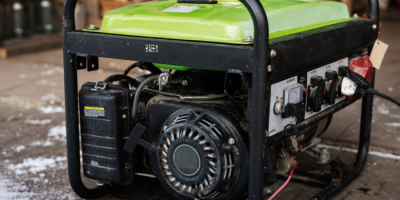
When storm clouds roll in over the Chicago suburbs, a backup generator can mean the difference between a minor inconvenience and a house full of spoiled food, a flooded sump pit, or a cold, dark night. But a generator only performs when you need it most if it’s been properly cared for beforehand, which is exactly why generator maintenance tips matter long before the first storm warning ever hits your phone. At Electric Work Force Inc., our licensed and insured Chicago electrician team sees it every storm season: homeowners who assumed their generator would “just work,” only to discover a dead battery or clogged fuel line at the worst possible moment. This guide walks you through the essential upkeep steps that keep a standby or portable generator reliable, safe, and ready to power your home whenever the grid goes down.
Why Routine Generator Maintenance Matters
A generator that hasn’t been maintained is one of the most common reasons backup power fails during an outage. Engines sit idle for months at a time, fuel degrades, batteries lose charge, and small mechanical issues go unnoticed until the generator is actually asked to run under load. Building a simple maintenance routine now prevents an expensive failure that always seems to happen at the worst possible time.
Regular Inspection and Testing
How often should you test a home generator? Most manufacturers recommend running your generator under load for 15–20 minutes at least once a month, or quarterly if it’s rarely used, to keep the engine lubricated and the battery charged.
- Visual checks: Walk around the unit periodically looking for cracked hoses, corroded wiring, oil stains, or fuel leaks. Small issues are far cheaper to fix before a storm than during one.
- Load testing: A generator that starts easily in the garage may still stall once it’s carrying your refrigerator, sump pump, and furnace. Testing under actual load is the only way to know for sure.
- Seasonal timing: Schedule your checks ahead of Chicago’s peak storm months so any repairs can be handled before severe weather arrives.
Fuel System Care
What’s the biggest cause of generator failure? Stale or contaminated fuel is one of the leading causes of a generator failing to start, since old gasoline breaks down and leaves gummy deposits that clog carburetors and fuel lines.
- Use fresh fuel: Gasoline typically starts degrading within 30 days without a stabilizer added.
- Store fuel safely: Keep fuel in approved, labeled containers away from heat sources, and rotate your supply so you’re never relying on fuel that’s been sitting for a full season.
- Add a stabilizer: A quality fuel stabilizer can extend usable storage life significantly, which matters if your generator only runs a handful of times a year.
Homeowners who’ve worked with our team often mention how much smoother other electrical projects go once the underlying systems, including wiring, panels, and connections, are properly maintained. One customer, Phil L., shared how thorough his home’s electrical installation was after working with our team, a reminder that the same attention to detail applies whether it’s a pool circuit or a backup generator setup.
Oil Changes and Coolant Levels
How often should generator oil be changed? Most air-cooled standby generators need an oil change every 50–60 hours of run time, or at least once a year regardless of usage, since oil breaks down over time even when the unit sits idle.
- Stick to the schedule: Dirty or low oil is one of the fastest ways to shorten an engine’s lifespan.
- Check coolant before storm season: Liquid-cooled models need adequate coolant to avoid overheating during extended runtimes, which is exactly when you’ll need the generator most.
Electrical System and Connection Checks
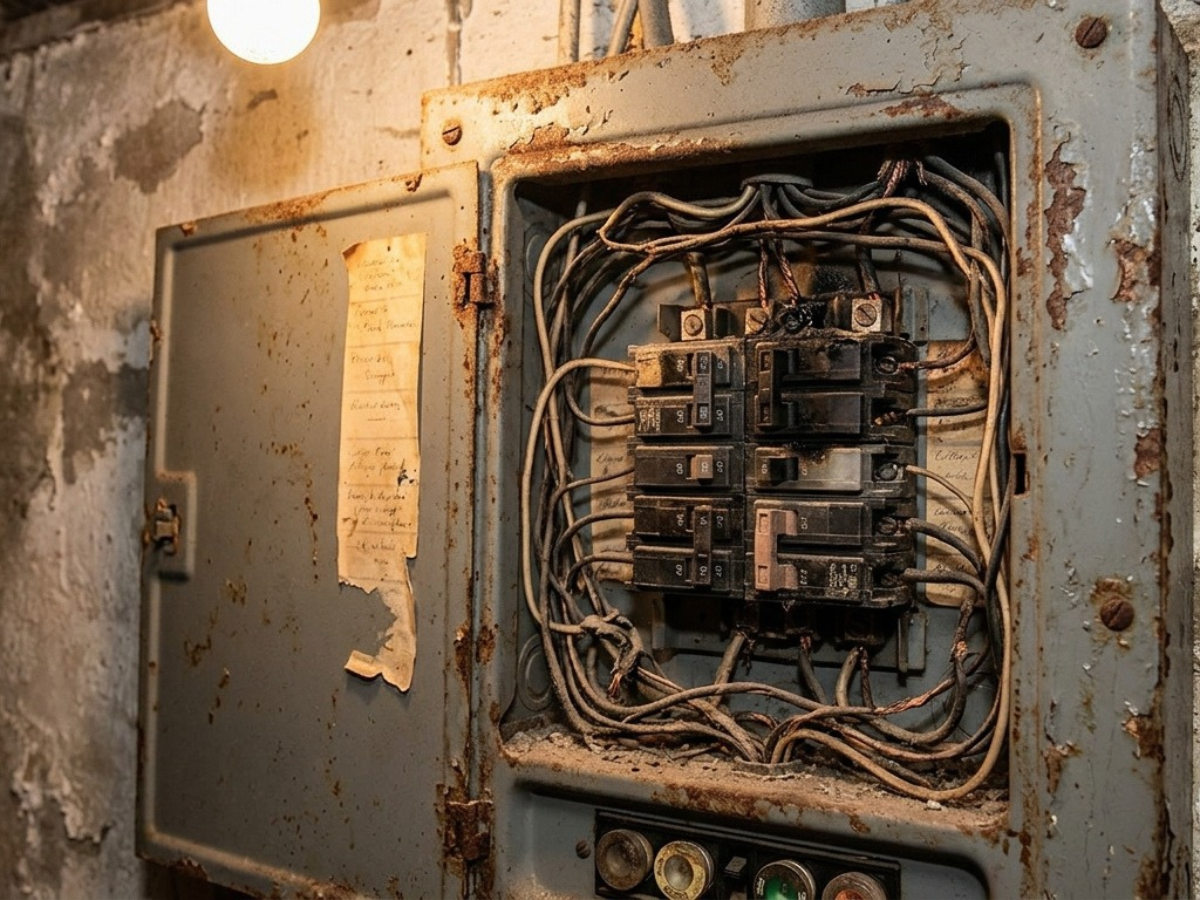
What electrical checks does a generator need? Loose or corroded connections are a common source of generator failure, so inspecting terminals, transfer switches, and the alternator on a routine basis helps prevent unexpected shutdowns.
- Tighten and inspect connections: Vibration from normal operation can gradually loosen wiring over time.
- Check the alternator: A failing alternator won’t produce consistent power even if the engine itself runs fine.
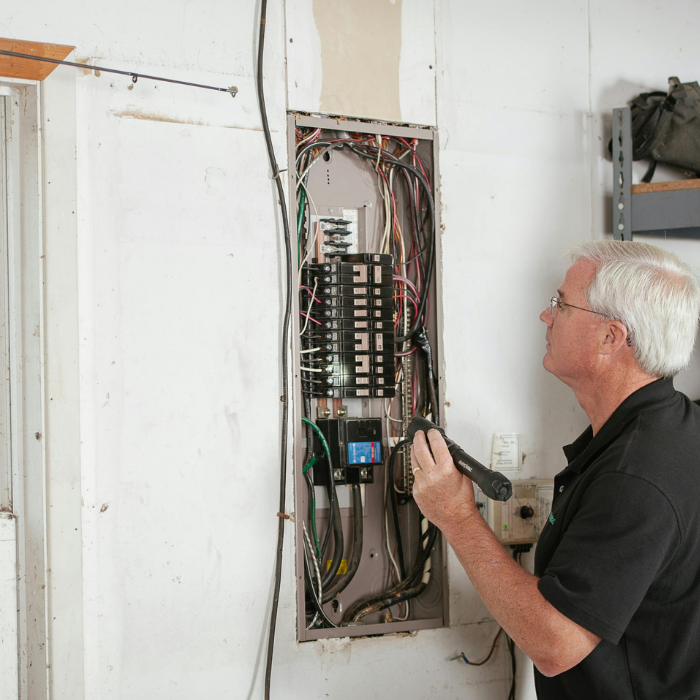
- Test the transfer switch: This component automatically shifts your home from grid power to generator power, and it needs to be tested along with the rest of the system, not assumed to work.
This is also where a licensed electrician earns their keep. Diagnosing an intermittent electrical issue on a home backup system isn’t always straightforward, and homeowners frequently tell us how much easier the process is with an experienced technician walking them through it, catching small problems before they become no-power-on-generator-day emergencies. If your home’s transfer switch or breakers were installed years ago, it’s worth having an electrical panel upgrade evaluated to make sure everything can safely handle the load your generator puts on it.
Battery and Spark Plug Maintenance
Why won’t my generator start even though it has fuel? A weak or dead battery is one of the most common reasons a generator fails to start, and one of the most overlooked, especially after long periods of inactivity.
- Battery care: Inspect terminals for corrosion, clean them as needed, and check the charge level regularly. Consider a trickle charger if the generator sits unused for long stretches.
- Spark plug replacement: Follow your generator’s manual for replacement intervals. A fouled or worn spark plug can cause hard starting or rough running exactly when you need reliable power.
Fast, polite, and effective service is something our technicians hear about often from customers dealing with sudden power issues. That kind of prompt response matters just as much for a stalled generator as it does for any other urgent electrical repair.
Comprehensive Cleaning
Does keeping a generator clean actually affect performance? Yes, debris around the intake and exhaust areas restricts airflow, which can cause overheating and reduce efficiency even in an otherwise well-maintained unit.
- Clear the surrounding area: Leaves, grass clippings, and dirt should be kept away from vents and cooling fins.
- Keep intake and exhaust unobstructed: Blocked airflow is one of the quickest ways to overwork a generator’s engine.
When to Call a Professional
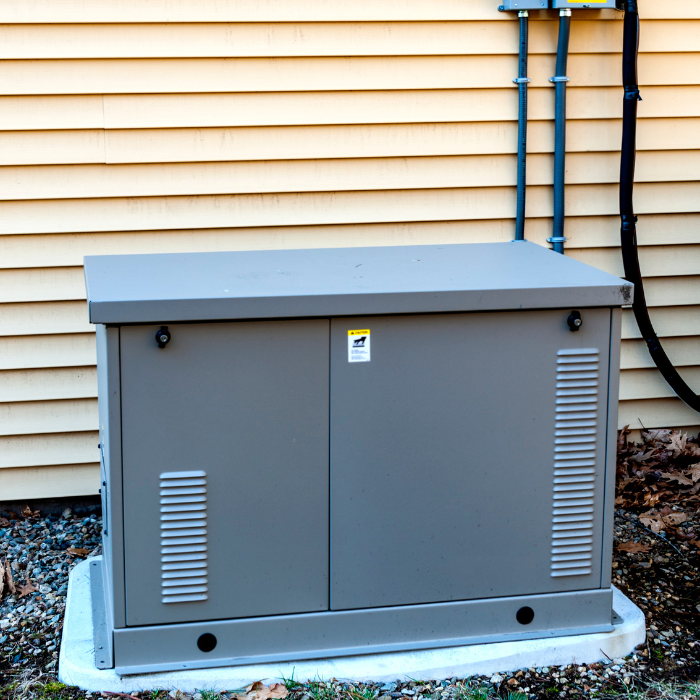
Some generator maintenance tips, like checking oil or clearing debris, are well within a homeowner’s ability. But electrical connections, transfer switch wiring, and diagnosing why a unit won’t hold a charge under load are best left to a professional. If a storm knocks out power and your generator isn’t cooperating, a 24/7 emergency electrician in Chicago can help any time, day or night, so you’re never stuck waiting out an outage without answers. Homeowners consistently point to fast response times and clear communication as reasons they call our team back for future projects too.
Key Takeaways
- Test your generator monthly (or quarterly, at minimum) under actual load to confirm it will perform during a real outage.
- Use fresh fuel and a stabilizer, and rotate stored fuel regularly to avoid clogs and starting issues.
- Change the oil every 50–60 run hours or annually, and keep coolant topped off before storm season.
- Inspect electrical connections, the alternator, and the transfer switch to catch problems before they cause a shutdown.
- Maintain the battery and replace spark plugs on schedule, since a dead battery is one of the most common startup failures.
- Keep the unit clean and the intake/exhaust areas clear of debris to prevent overheating.
- Call a licensed electrician for anything involving wiring, panels, or transfer switches. This is where DIY maintenance should stop.
Final Thoughts
Staying ahead of storm season starts with consistent generator maintenance tips put into practice year-round, not a last-minute scramble the night before severe weather hits. A little routine upkeep, from fresh fuel and clean connections to a charged battery and regular test runs, goes a long way toward making sure your home stays powered when it matters most. If any part of your generator’s electrical setup needs a professional look, Electric Work Force Inc. is available around the clock at (708) 968-1904 to help keep your home storm-ready.
Subscribe to our YouTube channel!