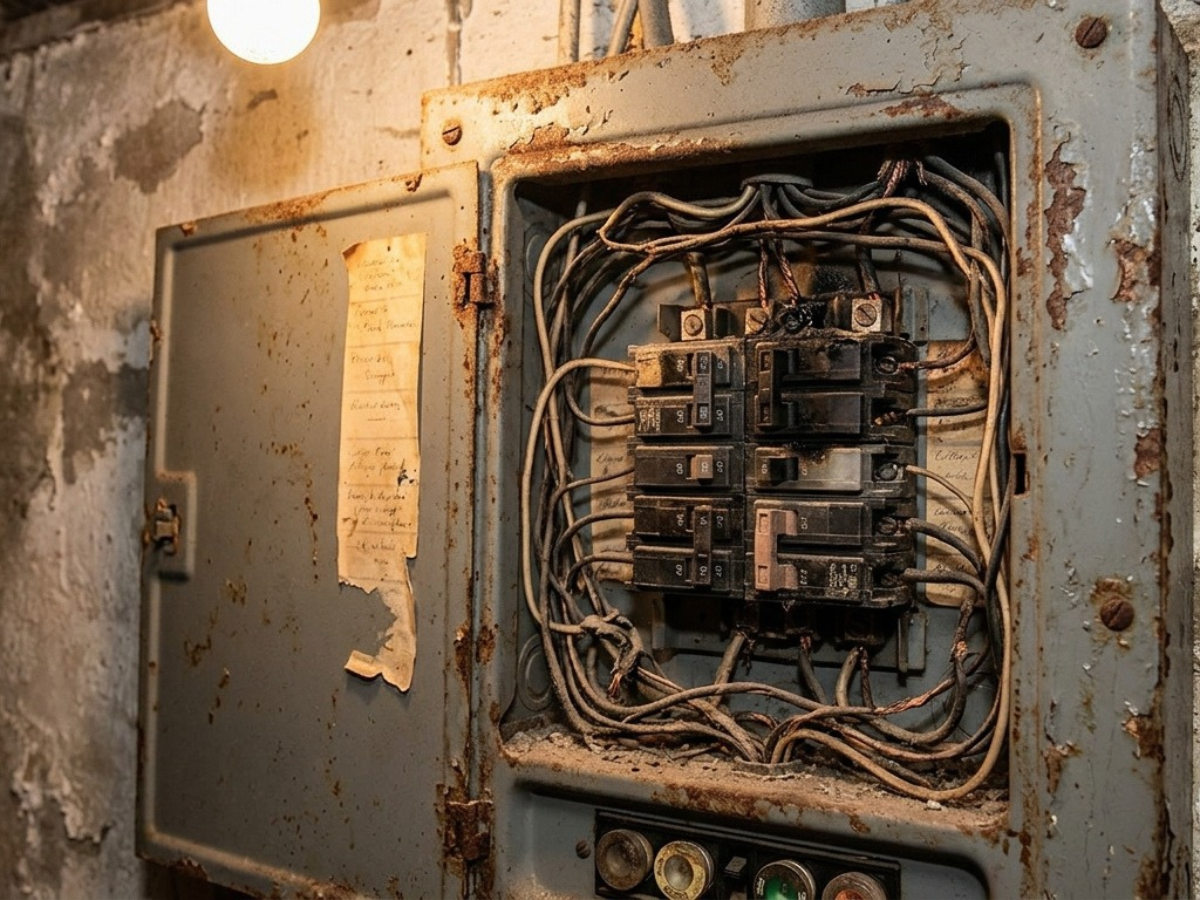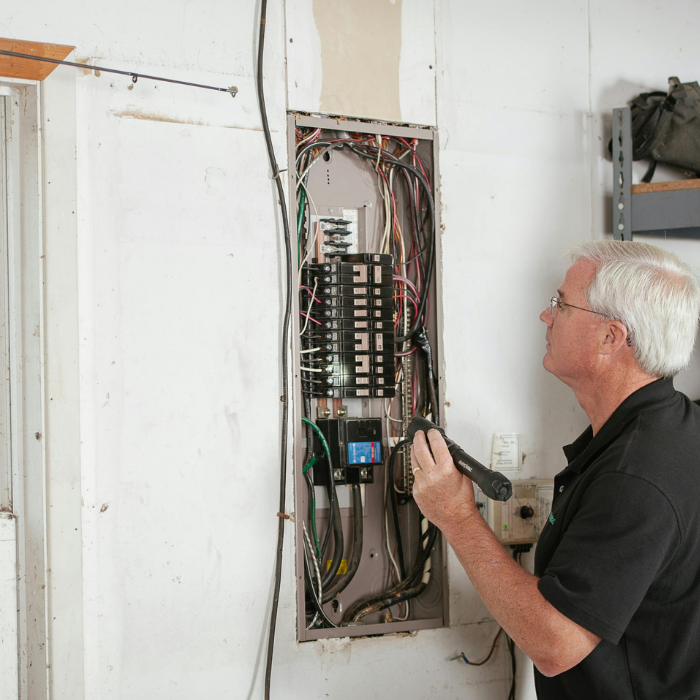
A circuit breaker upgrade in Chicago might not top your storm-prep checklist, but it probably should. When severe weather rolls through the Chicago suburbs, your electrical panel takes on more stress than almost any other system in your home. Outdated or non-compliant breakers can turn a power surge into a fire hazard or a costly appliance meltdown. The good news? Getting up to code is straightforward when you work with the right team, and the peace of mind that comes with it is well worth the investment.
What Does “Up to Code” Actually Mean for Circuit Breakers?
An up-to-code circuit breaker meets the current requirements set by the National Electrical Code (NEC) and local Chicago-area ordinances. These standards exist to ensure that breakers trip fast enough, handle the right amperage loads, and include modern protective features like arc-fault circuit interrupter (AFCI) or ground-fault circuit interrupter (GFCI) protection where required.
Older breakers, especially those in homes built before the 1990s, were designed for much lighter electrical loads. Today’s homes run EV chargers, smart appliances, home offices, and HVAC systems simultaneously. That kind of demand on an undersized or outdated panel is a recipe for nuisance tripping at best and a serious electrical hazard at worst. If your home hasn’t had its electrical system evaluated in the past decade, there’s a reasonable chance it’s operating outside current safety standards, even if nothing has visibly gone wrong yet.
Why Storms Make Outdated Breakers a Bigger Risk
Does a storm increase the risk of electrical problems?
Yes. Storms bring lightning strikes, utility power surges, and rapid fluctuations in line voltage that place extraordinary stress on your home’s electrical system.
Modern, code-compliant breakers are engineered to detect and interrupt those irregularities within milliseconds. Older models often lack that sensitivity. During a storm, this gap in protection can allow excess current to reach your wiring, outlets, and connected devices, causing damage that homeowners often don’t discover until after the fact.
It’s also worth understanding what happens at the utility level during a major storm. When large numbers of homes lose power and then have it restored at once, the resulting voltage fluctuations can be significant. A properly rated breaker absorbs that hit. A worn or undersized one may not. If your electrical panel and breaker services haven’t been reviewed in several years, storm season is the right time to change that.
Signs Your Circuit Breakers May Need Attention
Not every electrical problem announces itself loudly. Many of the most serious issues develop gradually, a connection slowly loosening, a breaker cycling near its limit for months. Watch for these warning signs:
- Breakers that trip frequently under normal household loads
- Breakers that won’t reset or feel warm to the touch
- Flickering or dimming lights when multiple appliances run at the same time
- Burning smells or discoloration around outlets or the panel cover
- A panel older than 25 to 30 years, especially if it’s a recalled brand. Federal Pacific and Zinsco panels are still found in older Chicago-area homes and are considered fire hazards by most electricians and insurers
- Recently added high-demand circuits like an EV charger or home addition, without the panel capacity to support them
Any of these symptoms warrants a professional inspection, not a wait-and-see approach.
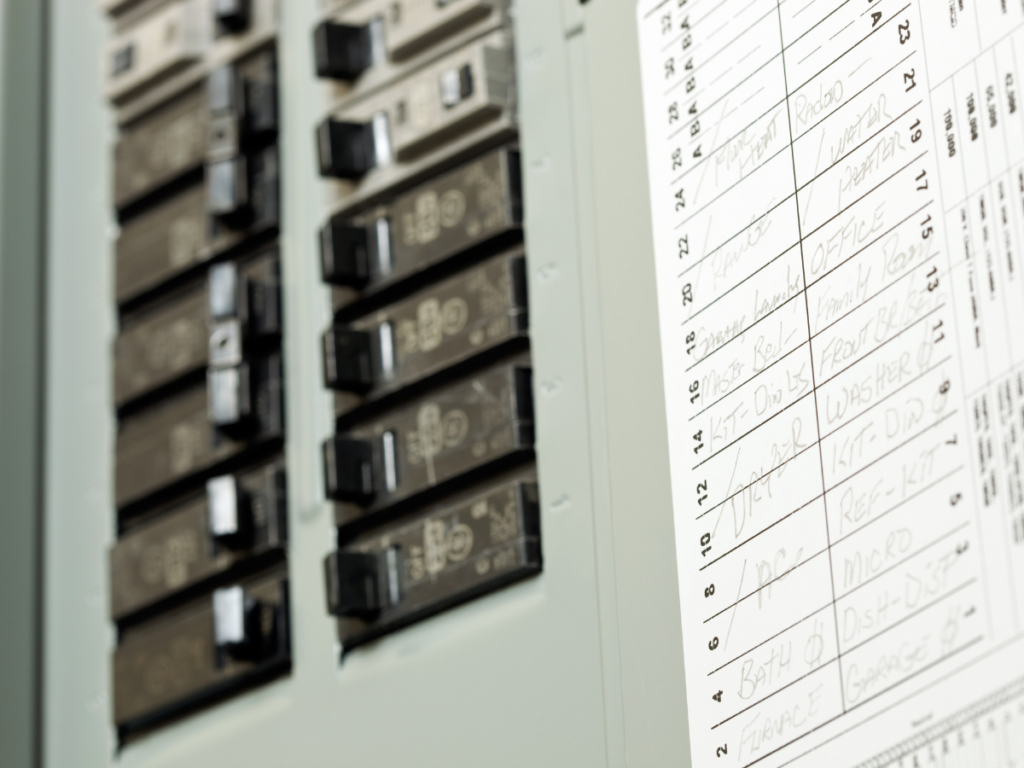
What a Professional Inspection Actually Covers
What does an electrician check during a circuit breaker inspection?
A licensed electrician will assess the panel’s amperage capacity, verify breaker sizing against each circuit’s load, check for code violations, and test protective devices like AFCI and GFCI breakers.
A thorough inspection often uncovers issues that aren’t visible from the outside: loose connections, double-tapped breakers (two wires sharing one breaker slot), missing knockout covers, or wiring that predates current safety standards. In older Chicago-area homes especially, these findings are more common than homeowners expect.
One thing that sets a quality inspection apart is how the findings are communicated. Being told “you need a new panel” without context isn’t helpful. A good electrician walks you through exactly what was found, why it’s a concern, and what your options are, so you can make an informed decision rather than just approving a repair you don’t fully understand. That kind of transparency is something Electric Work Force Inc. customers consistently point to in their reviews, and it’s what separates a trusted local electrician from one who treats your home like a transaction.
How Circuit Breaker Upgrades Protect More Than Your Wiring
Electrical code compliance isn’t just a technicality. It has real downstream effects on your home, your finances, and your daily life.
Home safety. Properly rated breakers prevent overloaded circuits, which are one of the leading causes of residential electrical fires in the U.S. This is the most fundamental reason to stay current.
Appliance and electronics protection. Smart TVs, home theater systems, refrigerators, and computers are all sensitive to voltage spikes. A breaker that responds correctly limits surge damage to devices on downstream circuits. When you consider what a whole-house electronics replacement would cost, a panel upgrade starts to look like a bargain.
Insurance and resale value. Many insurance providers ask about your panel’s age and condition during underwriting. A home inspection prior to sale will often flag outdated electrical systems as a required repair. Getting ahead of it on your own timeline, before a buyer’s inspector finds it, is always the better position to be in.
EV charger readiness. Adding a Level 2 EV charger installation at home typically requires a dedicated 240V, 50-amp circuit. If your panel is already at capacity or outdated, the charger installation and a panel upgrade often go hand in hand. Planning both together saves time and reduces the overall cost of two separate service calls.
Do I Need a Permit for a Circuit Breaker Upgrade in Illinois?
Is a permit required for a circuit breaker upgrade in Illinois?
Yes. Most electrical panel and breaker work in Illinois requires a permit and must be inspected by the local authority having jurisdiction (AHJ). Working without one can create problems when selling your home or making an insurance claim.
A licensed, insured electrician handles the permit process as part of the job. It’s one of the less visible parts of electrical work, but it’s the reason your upgrade is officially on record and completed to the standard the municipality requires. Electric Work Force Inc. is fully licensed and insured, and code compliance is built into every project from the start.
What to Look for When Hiring an Electrician for Breaker Work
Not every electrician approaches panel and breaker work the same way. When evaluating who to hire, keep these criteria in mind:
- A valid Illinois electrical contractor license and proof of general liability insurance
- Demonstrated experience with panel upgrades and code compliance, not just basic troubleshooting
- Clear, upfront communication about findings and costs before any work begins
- Availability and responsiveness, particularly for time-sensitive issues
Electric Work Force Inc. is a family-owned business serving the Chicago suburbs, with consistently high ratings on Google, Angi, and HomeAdvisor. For situations that can’t wait, their 24/7 emergency electrical service means you’re never left dealing with a serious electrical issue on your own.
Key Takeaways
- Up-to-code circuit breakers protect your home from power surges, overloads, and the elevated electrical stress that storms bring.
- Homes with panels older than 25 to 30 years, or from recalled brands like Federal Pacific or Zinsco, face a genuine safety risk.
- Warning signs include frequent tripping, warm breakers, flickering lights, burning smells, and circuits that can’t handle current household demand.
- A professional inspection covers amperage capacity, breaker sizing, code violations, and protective device testing.
- Permit and inspection requirements apply to most breaker work in Illinois. Always hire a licensed contractor who handles compliance as standard practice.
- Upgrading your panel also supports home resale value, appliance protection, insurance standing, and EV charger readiness.
If you’ve been putting off a circuit breaker upgrade in the Chicago area, severe weather is a good reminder that your electrical system deserves the same attention as your roof or foundation. A single inspection can tell you exactly where you stand. Call Electric Work Force Inc. at (708) 968-1904 or visit electricworkforceil.com to schedule a consultation and head into the next storm season with one less thing to worry about.
Subscribe to our YouTube channel!