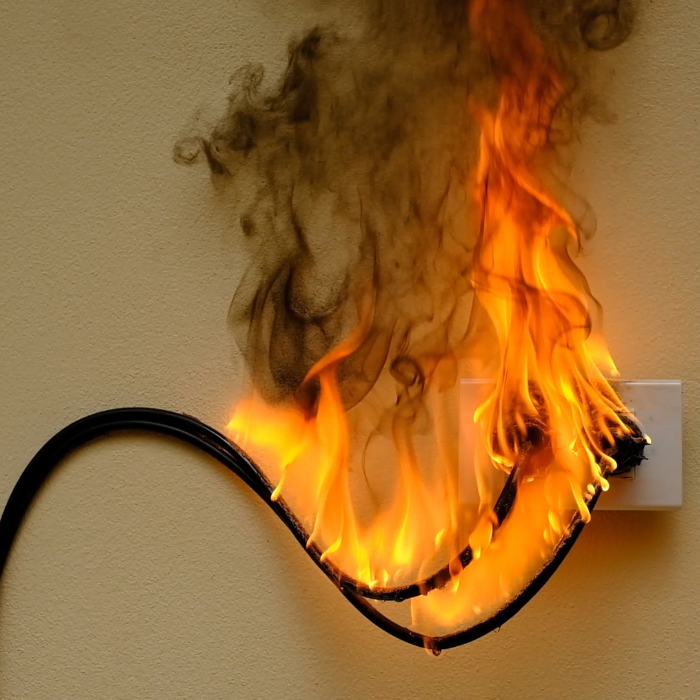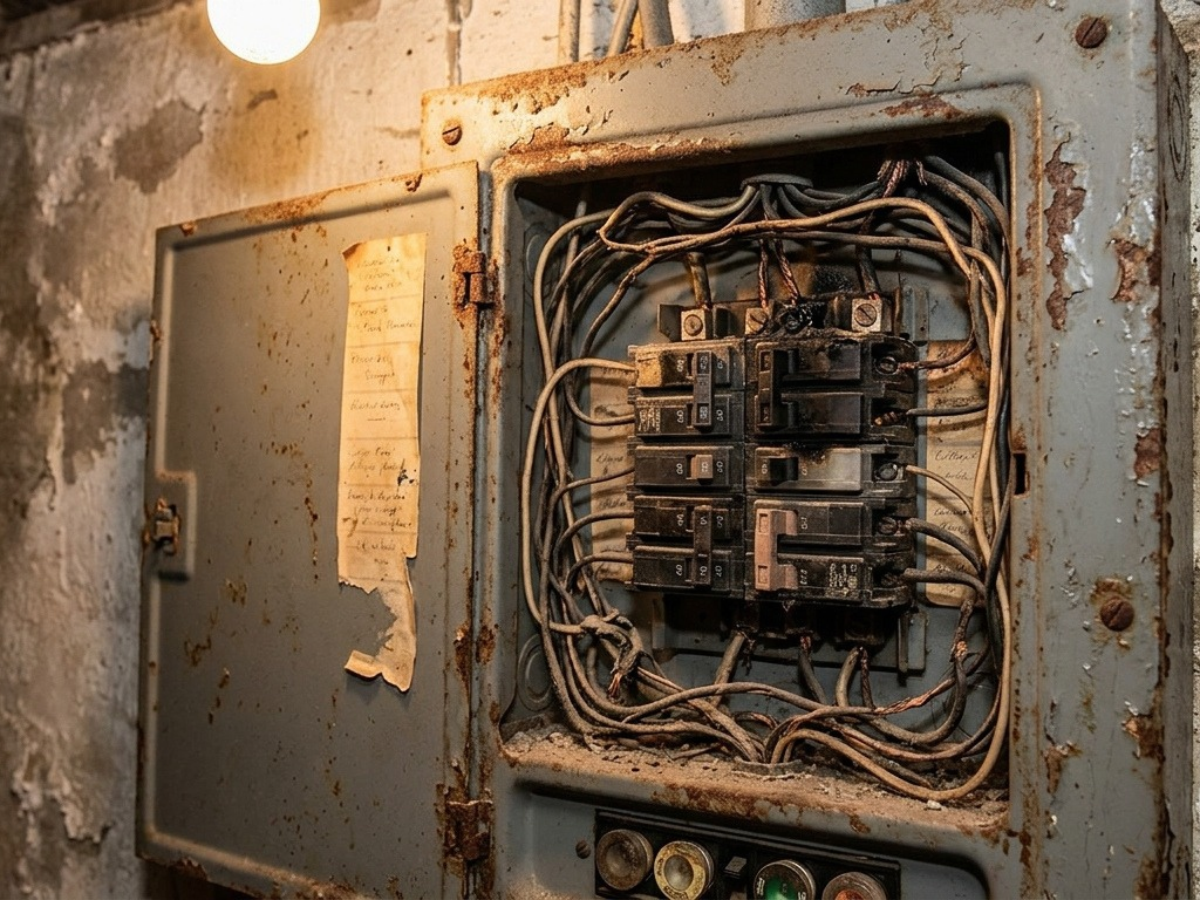
A safety inspection is a hazard and code review that protects your family and property. An audit is a performance review that shows how your system uses power and where you can cut costs or prepare for new equipment.
Here’s why the difference matters:
- Safety inspections address immediate risks like overheating breakers, missing GFCI protection, and faulty grounding.
- Audits guide investments, such as whether you need a bigger service or smarter controls.
- Real estate deals, insurance questions, and permits usually rely on inspection findings, not audit notes.
Many homeowners start with an inspection and add an audit when they plan upgrades or want lower utility bills.
What Does a Home Electrical Safety Inspection Include?
A professional inspection follows a step-by-step process that checks your panel, protective devices, grounding, circuit loads, and outlets. Most homes take 60 to 120 minutes. As a licensed Chicago electrician, our team uses a five-test sequence.
1. Service panel and breakers
We confirm the main disconnect is accessible and labeled, check breakers for heat damage, incompatible brands, and double-tapped wires, and verify that wire sizes match breaker ratings.
2. GFCI and AFCI protection
Having these devices isn’t enough. We trip and reset each one to confirm it actually protects you, and flag missing protection in kitchens, baths, laundry rooms, outdoor areas, and bedrooms.
3. Grounding and bonding
We evaluate the grounding system and the bonding of metal water and gas piping. Older homes often have outdated or corroded grounding connections.
4. Circuit load and voltage
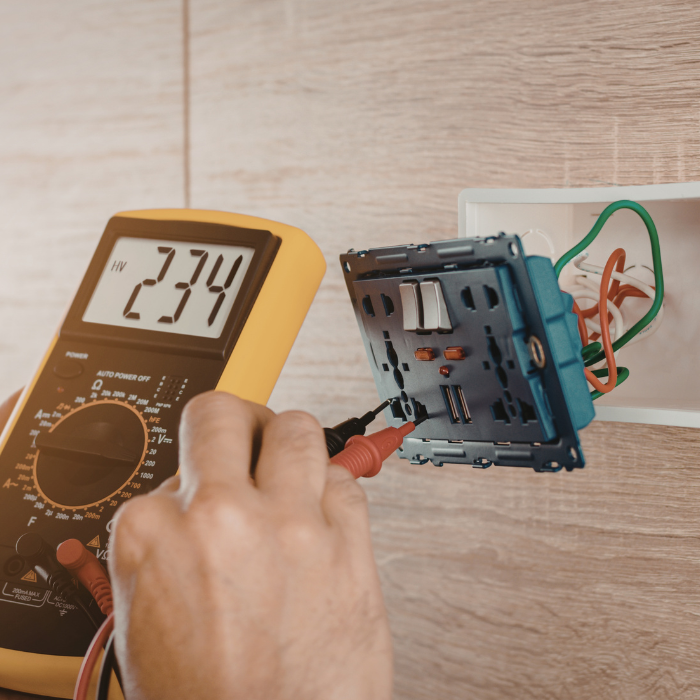
We measure current on key circuits and record voltage at rest and under load. Voltage drops can damage appliances and electronics. We also calculate total demand to see whether your 100A, 150A, or 200A service is adequate.
5. Outlets, switches, and fixtures
We test receptacles for reversed polarity, open neutrals, and improper “bootleg” grounds, and look for cracked covers, burn marks, and worn contacts that can cause arcing.
What Happens After the Inspection?
You receive a prioritized report with clear, line-item pricing. Hazards and code issues come first, followed by recommendations for upgrades. Many findings can be fixed during the same visit.
Common corrections include:
- Installing or upgrading GFCI and AFCI protection
- Replacing faulty breakers or upgrading the electrical panel
- Swapping two-prong outlets for grounded or GFCI-protected outlets
- Adding tamper-resistant and weather-resistant receptacles
- Targeted rewiring for kitchens, baths, or older homes
- Whole-home surge protection and checks on smoke and CO alarm placement
For larger work like panel upgrades or rewiring, our electrical repair services in Chicago include permits and city inspection coordination, so the project stays code compliant.
What Does an Electrical Audit Include?
An electrical audit measures how your home uses power and identifies ways to improve efficiency, reliability, and capacity. It doesn’t replace a safety inspection, but it’s the best tool for planning upgrades.
A typical audit covers:
- Load analysis to identify peak usage and the source of nuisance tripping
- Capacity planning for current and future loads like HVAC, hot tubs, induction ranges, and EV chargers
- Efficiency opportunities, including LED-compatible dimmers, smart controls, and better scheduling
- Power quality review to spot voltage sags or imbalances that shorten appliance life
- An upgrade roadmap with cost-benefit guidance, such as when to move from 100A to 200A service
Which One Do You Need Right Now?
Choose a safety inspection if you have warning signs, an older home, or a pending sale. Choose an audit if you’re planning new high-demand equipment or fighting high electric bills.
Schedule a safety inspection if you:
- Notice warm outlets, flickering lights, frequent breaker trips, or burning smells
- Are buying or selling a home and need a clear repair list
- Live in an older home with unknown wiring history or past DIY work
- Recently added major appliances
Schedule an electrical audit if you:
- Plan to add an EV charger, mini-split heat pump, or induction range
- Have high electric bills even after basic efficiency upgrades
- Want a long-term plan that combines safety and performance
What Are the Red Flags That Need an Immediate Inspection?
Burn marks, buzzing sounds, or tingling when you touch an appliance mean you should call an electrician right away. These signs point to arcing, overheating, or grounding problems that can lead to fires or shocks.
Other red flags include:
- Breakers that trip often after you add new appliances
- Two-prong outlets used with adapters, especially in kitchens or baths
- Aluminum branch wiring without approved connectors
- Outlets or switch plates that feel warm
If you notice any of these, schedule a home electrical inspection before the problem gets worse.
How Often Should You Schedule an Electrical Safety Inspection in Chicago?
Older homes should be inspected every 3 to 5 years, or annually with a preventive maintenance plan. Schedule one sooner if you notice symptoms, before listing your home, or after a DIY project goes wrong.
Chicago and many suburbs have strict electrical codes and permit processes. Pairing an inspection with any required permits saves time, and our team coordinates municipal inspections for panel work, rewiring, and larger repairs. Demand also spikes after severe storms, so scheduling ahead keeps you off a long waitlist.
Why Buyers and Sellers Should Inspect Before Closing
A safety inspection catches deal-breaking hazards early so you can budget, negotiate, or fix problems before they delay a sale. Our five-test method documents panel condition, protective devices, grounding, loads, and outlet defects in one clear report.
If you plan to add an EV charger or other major loads after closing, adding an audit helps you size the service correctly and avoid costly rework later.
How to Prepare for Your Inspection or Audit
A little preparation makes the visit faster and more thorough:
- Clear access to the main panel and any subpanels
- Unlock garages, attics, and mechanical rooms
- List symptoms you’ve noticed, like tripping breakers or flickering lights
- Note planned additions, such as an EV charger or finished basement
Safety and Savings Plan
Our Safety and Savings Plan costs $9.95 per month and includes an annual whole-home electrical safety evaluation, 15% off all services and products, no service fees, and priority scheduling. Members also get a lifetime warranty on new installations and a two-year warranty on repairs. Call (708) 968-1904 to enroll.
What Homeowners Are Saying
“Luis was great! Extremely knowledgeable and thorough with the electric inspection.”
Tracy H., Electrical Inspection
“He also pointed out that the house is 70 years old and to pass inspection I would have to upgrade the way my electrical system was grounded. I appreciated that he wanted to follow codes…”
Paul K., Electrical Inspection
“Once the inspection was completed Electrical Work Force explained to me clearly all the problems and presented me with the options to fix the bad electrical job that was done.”
Top H., Electrical Inspection
Frequently Asked Questions
How long does a home electrical safety inspection take?
Most take 60 to 120 minutes. Older homes or homes with several issues can take longer, especially if we fix simple items during the visit.
Will an audit tell me if I need 200A service?
Yes. We calculate your total electrical demand and recommend whether 100A, 150A, or 200A service fits your current and future needs.
Do you handle permits if my panel needs an upgrade?
Yes. We coordinate permits and municipal inspections for panel upgrades, rewiring, and other major repairs.
Can an electrical audit replace a safety inspection?
No. An audit focuses on performance and cost, while only a safety inspection confirms your system is free of hazards and meets code.
Start With Safety, Then Plan for Savings
An electrical safety inspection is the right first step for most Chicago homes because it finds the hazards that put your family and property at risk. Once your system is safe, an audit helps you plan EV chargers, HVAC upgrades, and lower energy bills. Electric Work Force is a licensed, family-owned electrical contractor with an A+ BBB rating and hundreds of 5 star reviews on Google. Call (708) 968-1904 to book your inspection today.
Subscribe to our YouTube channel!