When electrical problems strike your home, knowing the right electrical troubleshooting & repair tips can save you time, money, and frustration. From flickering lights to tripped breakers, most electrical issues follow predictable patterns that homeowners can safely investigate before calling a professional. This guide covers the most common residential electrical problems in Chicago and the western suburbs, along with proven troubleshooting steps and clear guidance on when to stop and call a licensed electrician.
Whether you’re in Naperville, Downers Grove, or anywhere across the Chicagoland area, these practical electrical troubleshooting tips will help you identify problems quickly and make informed decisions about repairs.
Safety First: Essential Rules Before Any Electrical Work
Electricity demands respect. Before you troubleshoot any electrical issue, follow these non-negotiable safety protocols:
Always turn off the power at the breaker panel. Verify the circuit is dead using a non-contact voltage tester before touching any wires or devices.
Never work on live circuits. The absence of light or power is not proof that a circuit is safe. Test every wire.
Use proper tools only. Damaged screwdrivers or pliers can slip and create dangerous shorts or expose you to live voltage.
If you cannot identify the correct breaker, stop immediately. Call a licensed electrician rather than guessing which circuit controls your work area.
Remember: Chicago and suburban building codes require permits for many electrical modifications. When you add new circuits, relocate wiring, or perform panel work, proper permits and inspections protect your family and maintain your home’s resale value.
Common Electrical Problems and How to Troubleshoot Them
Lights That Flicker or Won’t Turn On
Quick answer: Flickering lights usually indicate loose connections, incompatible dimmers, or an overloaded circuit, while lights that won’t turn on often trace back to failed bulbs, tripped breakers, or faulty switches.
Start with the simplest explanations. Test bulbs in a working fixture to confirm they’re good. Check your electrical panel for tripped breakers—they sit between ON and OFF positions. Reset by switching fully OFF, then back ON.
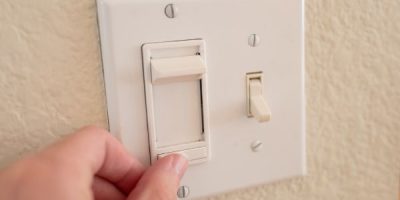
For dimmer-controlled lights, verify you’re using LED-compatible dimmers with LED bulbs. Older dimmers designed for incandescent loads cause flickering, buzzing, or complete failure with modern LEDs.
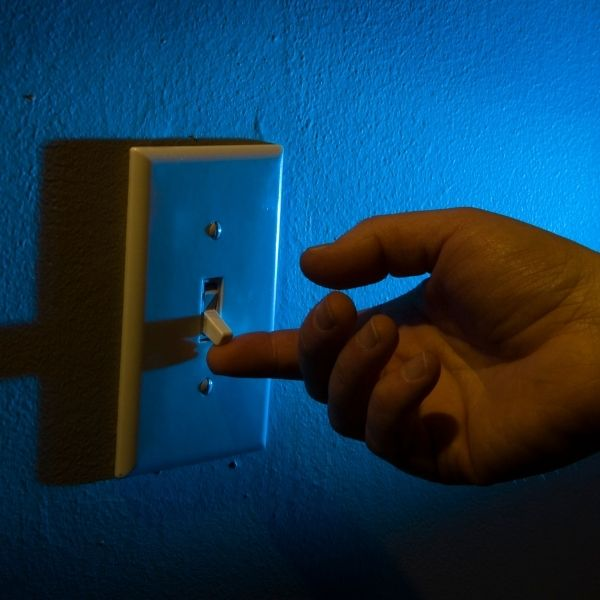
Inspect light switches for heat, unusual sounds, or loose toggles. These symptoms signal worn contacts or loose wiring that needs immediate attention. Switches showing scorch marks, melted plastic, or a burning smell require professional replacement and circuit evaluation.
Outlets That Don’t Work or Spark
Quick answer: Dead outlets typically result from tripped GFCI devices, loose connections, or failed outlets, while sparking indicates dangerous arcing that requires immediate professional attention.
Kitchen, bathroom, garage, outdoor, and basement outlets connect through GFCI (Ground Fault Circuit Interrupter) protection. When one GFCI trips, it cuts power to all downstream outlets on that circuit. Look for GFCI receptacles with TEST and RESET buttons. Press RESET to restore power.
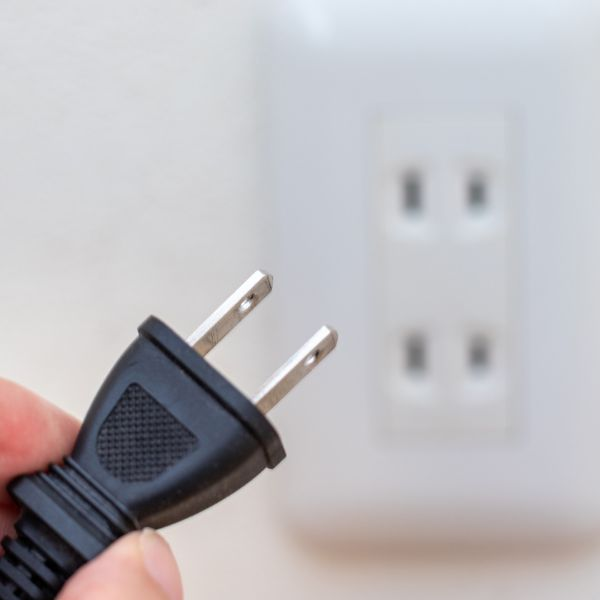
If an outlet sparks when you plug something in, stop using it immediately. Sparking indicates loose connections, damaged contacts, or incompatible plugs that create fire hazards. Turn off the breaker and schedule professional electrical repair right away.
Warm outlet covers signal overheating from loose connections or overloaded circuits. This is especially common in older homes with aluminum wiring, where connections loosen over time due to thermal expansion.
Circuit Breakers That Trip Repeatedly
Quick answer: Breakers trip repeatedly due to overloaded circuits, short circuits, ground faults, or failing breakers that need replacement.
A circuit breaker that trips once may have handled a temporary surge. A breaker that trips immediately after reset points to a short circuit or ground fault.
Reduce the electrical load by unplugging devices, then reset the breaker. If it holds, you’ve found an overload issue. Add the wattage of everything on that circuit—if it exceeds 80% of the breaker rating, you need a dedicated circuit or load redistribution.
If the breaker trips with nothing plugged in, or if you smell burning, see scorch marks, or hear buzzing at the panel, stop. These symptoms indicate serious wiring problems, damaged insulation, or moisture intrusion that require immediate professional diagnosis.
AFCI (Arc Fault Circuit Interrupter) breakers protect bedrooms and living spaces from dangerous arcing. They can trip from damaged extension cords, aging wiring, or loose connections. Nuisance trips deserve investigation—they often reveal hidden problems before they become fire hazards.
GFCI Outlets That Won’t Reset
Quick answer: A GFCI that won’t reset usually indicates a ground fault on the circuit, moisture in the receptacle, or a failed GFCI device.
Press the TEST button first, then RESET. If it clicks but won’t stay engaged, moisture or a ground fault prevents reset. Outdoor and bathroom GFCIs commonly fail due to weather exposure and humidity.
Check for water intrusion in outdoor boxes and bathroom installations. Dry thoroughly before attempting a reset. If moisture isn’t the issue, the GFCI itself may have failed and needs replacement.
GFCIs have a limited lifespan—typically 10 to 15 years. Test them monthly by pressing TEST and RESET. If the device feels hot, shows cracks, or fails the monthly test, replace it immediately.
Three-Way Switch Problems
Quick answer: When lights controlled by multiple switches stop working or only function from one location, you likely have a faulty switch, crossed traveler wires, or a loose common wire connection.
Three-way switches let you control one light from two locations. They have three terminal screws plus ground—one common (usually a darker screw) and two travelers (typically brass screws).
If the light works from one switch but not the other, replace the non-functioning switch first. Before removal, photograph the wire positions or mark the common wire with tape. Mixing up the common and traveler connections creates intermittent operation or complete failure.
When both switches seem dead, check the breaker and test for power at the light fixture. The problem may be upstream of the switches entirely.
Four-way switches (used when three or more switches control one light) go between two three-way switches. If you have a four-way circuit, replacing switches one at a time helps isolate the failed device.
Dimmer Switch Failures
Quick answer: Dimmer failures typically stem from incompatible LED bulbs, overloaded circuits, power surges, or worn internal components that need switch replacement.
Modern LED bulbs require LED-rated dimmers. Installing the wrong dimmer can cause flickering, buzzing, a limited dimming range, or complete failure. Check the bulb packaging for compatible dimmer models, or choose a universal LED dimmer rated for your total wattage.
Some smart dimmers require a neutral wire in the switch box. Older homes may lack neutrals in switch locations. If you’re upgrading to smart lighting controls and find only two wires in the box, select a no-neutral dimmer model or have an electrician add a neutral wire.
Heat kills dimmers. If a dimmer feels hot to the touch or has a burnt smell, it’s overloaded or failing. Replace it with a higher-wattage dimmer or reduce the number of bulbs on the circuit.
When to Stop and Call a Licensed Electrician
Some electrical problems are beyond safe DIY troubleshooting. Contact Electric Work Force Inc. immediately if you encounter:
- Breakers that trip repeatedly or won’t stay reset
- Burning smells, smoke, or visible sparks from outlets, switches, or panels
- Hot or discolored outlet covers and switch plates
- Buzzing or crackling sounds from electrical devices or panels
- Aluminum wiring or cloth-insulated wiring in older Chicago homes
- Uncertainty about which breaker controls a circuit
- Damaged, rusty, or overcrowded electrical boxes
- Any situation where you feel unsafe or unsure
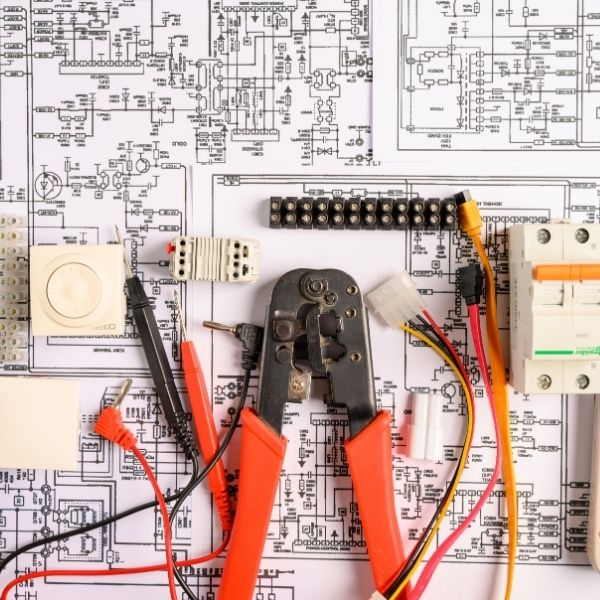
Professional electricians use advanced diagnostic tools—thermal imaging cameras, digital multimeters, and circuit tracers—to pinpoint problems that aren’t visible to homeowners. This diagnostic-first approach eliminates guesswork and prevents the costly cycle of replacing parts without fixing root causes.
Chicago and Suburban Electrical Considerations
Local knowledge matters when troubleshooting electrical systems in Chicagoland homes.
Permit requirements vary by municipality. Simple device swaps typically don’t need permits, but new circuits, panel upgrades, and wiring relocations often do. Electric Work Force handles all permitting and inspection coordination for Chicago, Naperville, Downers Grove, and the surrounding suburbs.
Older home wiring presents unique challenges. Many vintage Chicago bungalows, two-flats, and courtyard buildings from the 1920s to 1970s contain knob-and-tube wiring, aluminum branch circuits, or mixed wiring methods. These systems require specialized knowledge for safe repairs and upgrades.
Winter weather affects electrical systems. Extreme cold can cause outdoor GFCI trips, frozen condensation in outdoor boxes, and increased static that triggers sensitive AFCI breakers. Proper sealing and weatherproofing prevent seasonal electrical problems.
Why Homeowners Choose Electric Work Force Inc.
Since 2015, Electric Work Force Inc. has provided trusted electrical services to families across Chicago’s western suburbs. Our team brings:
- Licensed, bonded, and insured electricians with deep Chicago-area code expertise
- A+ BBB rating and 4.9-star Google reviews from 220+ satisfied customers
- Family-owned commitment to honest pricing and quality workmanship
- 24/7 emergency service for urgent electrical problems
- Comprehensive services from switch repairs to complete panel upgrades and home rewiring
We serve Naperville, Downers Grove, Westmont, Lisle, Darien, Woodridge, Hinsdale, Clarendon Hills, Oak Brook, Berkeley, and surrounding communities.
Special Offers:
- 10% off any electrical service or repair (expires 2025-12-03)
- $20 off service calls—diagnostic fee just $79
- $100 off major electrical projects, including panel upgrades, rewiring, and EV charger installation
Call (708) 968-1904 or schedule service.
Key Takeaways: Electrical Troubleshooting & Repair Tips
- ✓ Safety first always—turn off breakers and verify circuits are dead before troubleshooting
- Start with simple fixes—check bulbs, reset breakers, and test GFCI outlets before complex diagnostics
- Know your limits—burning smells, repeated trips, sparking, and uncertainty mean stop and call a pro
- GFCI and AFCI protection—test monthly, understand their locations, and know how to reset properly
- LED compatibility matters—use LED-rated dimmers with LED bulbs to prevent flickering and failure
- Three-way switch troubleshooting—mark the common wire, replace one switch at a time, never cross travelers
- Aluminum wiring requires specialists—don’t DIY repairs on aluminum branch circuits without proper training
- Chicago permits and codes—respect local requirements for electrical work and use licensed professionals
- Preventive maintenance saves money — regular panel inspections, GFCI testing, and connection checks prevent emergency repairs
- Professional diagnostics find root causes—thermal imaging and advanced testing eliminate guesswork
Conclusion
Effective electrical troubleshooting & repair tips empower Chicago homeowners to identify common problems safely while recognizing when professional help is essential. From resetting tripped breakers to diagnosing stubborn switch failures, the systematic approach outlined here helps you work through electrical issues logically and safely.
Remember that electrical work carries inherent risks. When you encounter burning smells, repeated breaker trips, sparking outlets, or any situation that feels unsafe, stop immediately and contact a licensed electrician. Electric Work Force Inc. provides fast, reliable service across Naperville, Downers Grove, and Chicago’s western suburbs with transparent pricing, expert diagnostics, and code-compliant repairs that last.
For same-day electrical troubleshooting and repair service, call (708) 968-1904. Let our experienced team solve your electrical problems safely and efficiently.